Create a Rich & Classy Listing Only $9.95 / Per Year / Regularly $29.95

Housing Starts Up, Permits Down — What It Means on the Ground
Translating headline data into practical moves for small contractors and subs.
The latest federal housing data delivered a mixed message that matters directly to your schedule and cash flow: housing starts ticked up, while building permits slipped. In plain English, more work is actively breaking ground right now, even as the future pipeline softened a touch. If you run a small crew, that split has real consequences for how you bid, schedule, and talk to clients over the next few weeks.
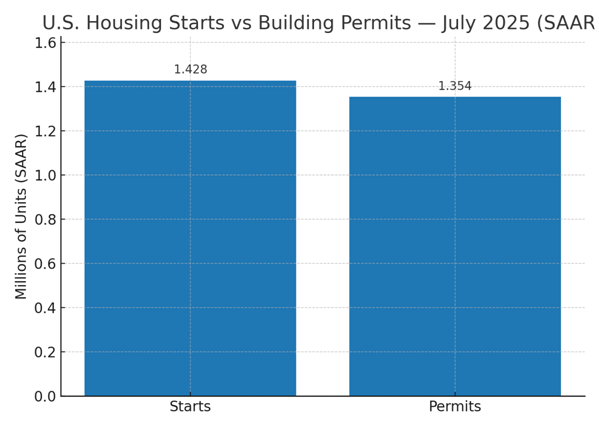
Figure 1. U.S. Housing Starts vs Building Permits — July 2025 (SAAR). Source: U.S. Census Bureau.

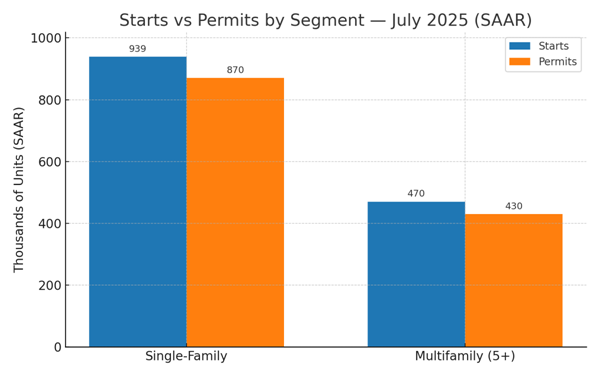
Figure 2. Starts vs Permits by Segment — Single-Family and Multifamily (5+) — July 2025 (SAAR). Source: U.S. Census Bureau
Why the split matters: starts tell you what’s happening on the ground. They translate to near‑term tasks—foundation, framing, MEP rough‑ins, inspections—moving forward. Permits, on the other hand, are a forward indicator. A dip in permits can mean fewer brand‑new jobs getting green‑lit unless developers and homeowners restart plans. That doesn’t spell doom; it just says be choosy, tighten your handoffs, and keep prospecting so the calendar doesn’t fall off a cliff later.
Three practical takeaways you can act on this week:
1) Guard your backlog. Prioritize jobs that can actually fund and close. Confirm permit status in writing before you burn estimating time. If a client is “almost ready,” move them to a nurture lane and focus today’s energy on ready‑to‑run work.
2) Tighten subs and suppliers. When starts rise, bunching happens—especially in MEP trades and inspections. Share a quick two‑week look‑ahead with your subs, lock delivery windows with suppliers, and decide now what you’ll do if an inspection kicks a day. It’s cheaper to plan a clear Plan B than to crash a schedule the day of.
3) Price for momentum. Offer value‑engineered alternates that keep owners moving: material substitutions with similar performance, pre‑fab options that save labor, or phased scopes that let the project start while financing finalizes. The goal is to keep crews earning and clients advancing instead of stalling for the “perfect moment.”
What to say to clients right now:
“Permits have softened a bit, but active projects are moving. If we start now, we can hold today’s pricing and delivery window. If we wait, we risk losing the slot to other active starts.” That framing reassures the client while protecting your slotting and price integrity.
Regional nuance you can apply:
Starts often skew toward multifamily when rates are sticky. If you’re a residential specialist, consider partnering with a GC who is tapped into multifamily punch lists and turns—smaller, faster scopes that keep revenue constant. If you’re already in multifamily, pre‑book your finish trades earlier than usual and document acceptance criteria so punch doesn’t balloon at the end.
Cash flow guardrails:
Pair staged deposits with milestone‑based progress billing. Keep materials on separate lines so you can pre‑purchase time‑sensitive items without starving payroll. If a project is waiting on final financing, propose a limited “mobilize and measure” phase you can bill immediately while the owner closes their paperwork.
Bottom line: the ground is busy enough to keep crews working, but you should actively protect Q4 by nurturing leads and offering smart alternates. Bid what will actually happen, not what people say they wish would happen.

How many times have you stepped into a country club restroom or upscale dining space and felt that quiet, unmistakable sense of refinement? The air seems softer, the lighting warmer, even the water flows differently. Learn more…


Part of Construction Digital Toolbox brought to you by Contractors Junction. This Publication includes a Project Kickoff Checklist. Learn more…

Part of Construction Digital Toolbox brought to you by Contractors Junction. This Publication includes a FREE “Scope of Work” print and save PDF. Learn more…

Part of Construction Digital Toolbox brought to you by Contractors Junction. This Publication includes a FREE print and save “Change Order PDF“. Learn more…

The trap happens when a great operator assumes the same drive and focus that made them efficient in the field will automatically translate to running a company. It rarely does. The job shifts from producing work to managing people and resources, and those who fail to make that shift often end up overworked, underpaid, and burned out. Learn more…
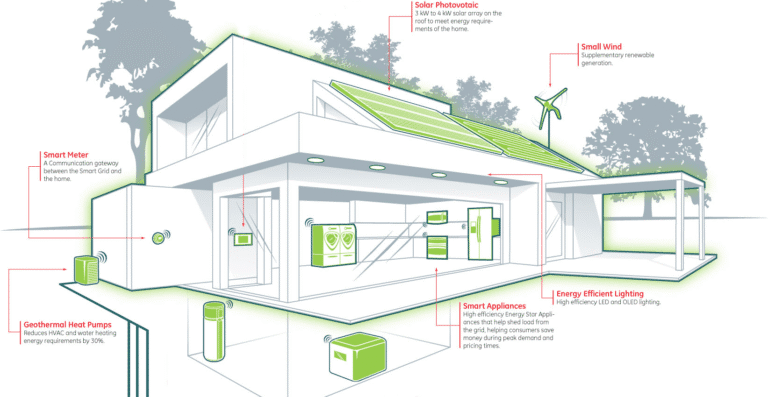
Sustainability isn’t a passing trend—it’s reshaping how the construction industry operates. Contractors who adapt now will find themselves ahead of the curve as clients, architects, and local governments push for energy-efficient, environmentally responsible projects. Learn more…
The latest federal housing data delivered a mixed message that matters directly to your schedule and cash flow: housing starts ticked up, while building permits slipped. PDF”. Learn more…


Regulators have advanced a national heat illness prevention rule, and regardless of the final text, the expectations are already clear: hydrate crews, plan work/rest, train supervisors, and document what you’re doing. Learn more…
Affiliate Disclaimer: This site uses affiliate links. We may earn a commission when you click.